Upholstery & Fabric Cleaning (UFT)
What Is Upholstery & Fabric Cleaning (UFT)?
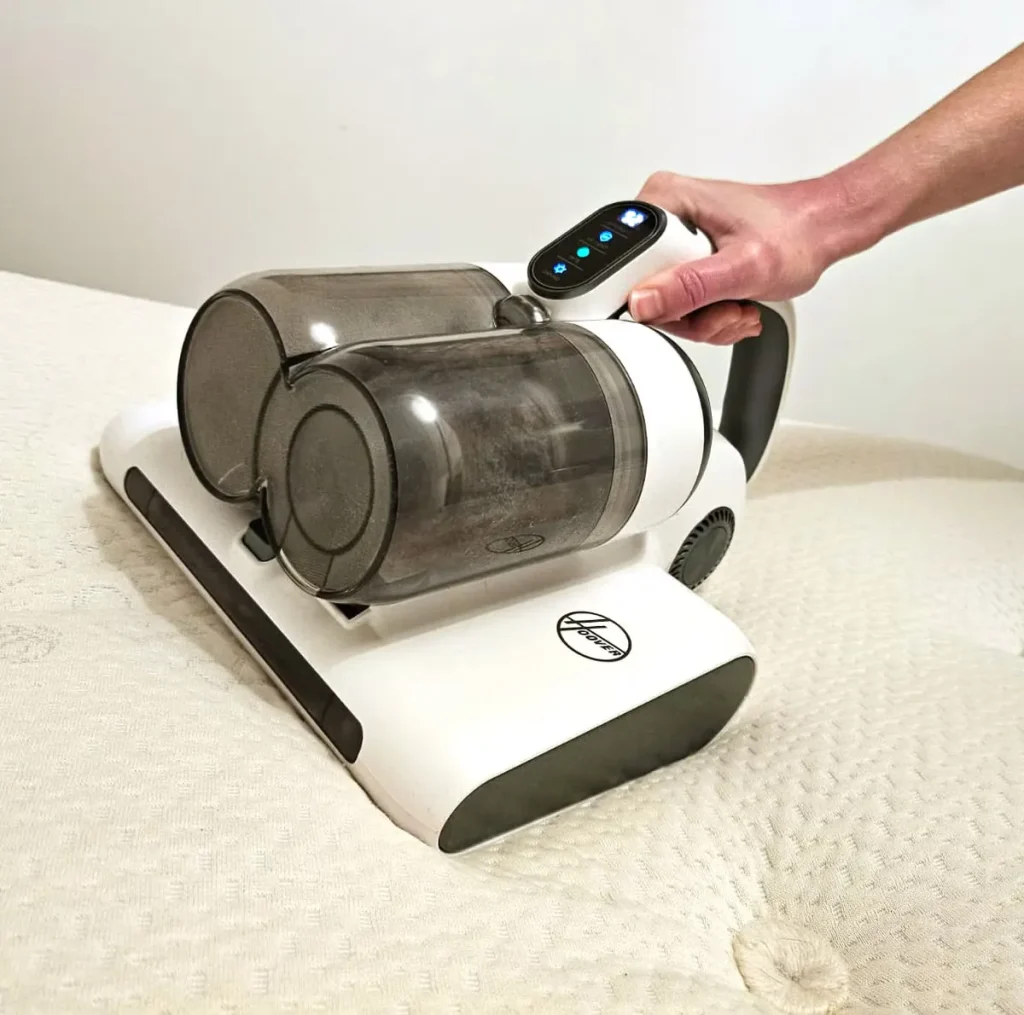
Upholstered furniture is often the focal point of a room, but it also acts as a magnet for dirt. Unlike hard surfaces that can be easily wiped down, soft fabrics absorb dust, body oils, dead skin cells, and allergens. Upholstery & Fabric Cleaning (UFT) is the certified profession of cleaning these complex textiles without damaging their texture, colour, or structural integrity.
Many homeowners assume that all fabric can be scrubbed with soap and water, but this is a costly mistake. Upholstery fabrics range from durable synthetics (like polyester and nylon) to delicate natural fibres (like cotton, silk, wool, and rayon). Using the wrong cleaning agent or too much moisture can cause:
Cellulosic Browning: Permanent brown water stains on natural fibres.
Shrinkage: Fabric pulling away from the frame or zippers breaking.
Colour Bleeding: Dyes transferring (e.g., a red stripe turning a white sofa pink).
Certified Upholstery Fabric Technicians (UFT) are trained to identify fibre types before touching the furniture. They use specific pH-balanced solutions to safely lift soil while preserving the fabric’s soft hand and vibrant look.
The Critical Step: Fibre Identification
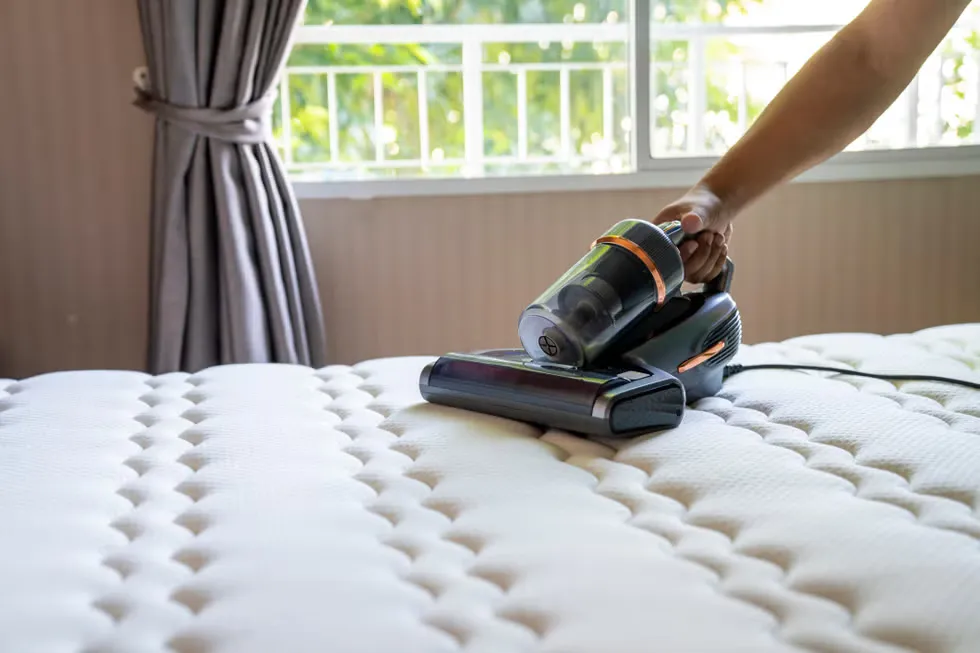
The difference between a successful clean and a ruined sofa often lies in the inspection. Before any cleaning begins, a professional performs a Fibre Inspection.
This may involve a “burn test” (taking a tiny loose fibre and burning it to smell the smoke/ash) or a chemical test to determine if the fabric is natural or synthetic.
Natural Fibres (Cotton, Linen, Wool): Highly absorbent and sensitive to pH extremes. They require neutral cleaning agents and rapid drying to prevent browning.
Synthetic Fibres (Microfibre, Olefin, Polyester): Oil-loving (oleophilic). They attract body oils and require specialized enzyme pre-sprays to break the bond of grease on the armrests and headrests.
Cleaning Methods: Wet vs. Dry
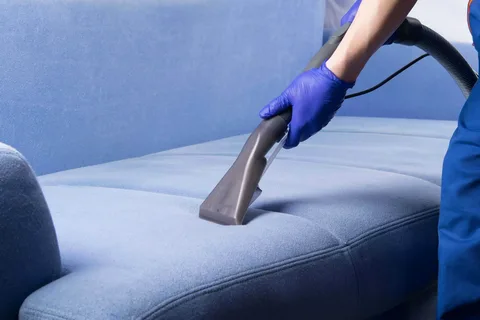
For durable synthetic fabrics (Code W or WS) like Microfiber or Polyester, Hot Water Extraction is the most effective deep-cleaning method.
Professional technicians select the cleaning method based on the manufacturer’s cleaning code (S, W, WS, or X) found on the furniture tag.
Hot Water Extraction (HWE) – “Steam Cleaning” Best for durable synthetics (Codes W & WS).
Process: A pre-conditioner is applied to loosen soil. Hot water is injected into the fabric to rinse the dirt, while a powerful vacuum immediately extracts it.
Key Detail: Professionals use a specialized “shear tool” or “low-moisture tool” that cleans the fabric sheath without soaking the foam cushion underneath. This prevents long drying times and mould growth inside the furniture.
Dry Solvent Cleaning Essential for delicate fabrics (Code S).
Process: Water can ruin fabrics like rayon or silk. Instead, technicians use a volatile dry solvent. This liquid cleaner dissolves oily soils but evaporates almost instantly, cleaning the fabric without “wetting” it. This prevents shrinkage and water rings.
Low-Moisture Encapsulation Often used for office partitions and commercial chairs.
Process: A crystallizing polymer foam is applied and brushed into the fabric. The foam encapsulates (traps) the dirt as it dries into a crystal, which is then vacuumed away. This allows for extremely fast drying times, meaning an office can be back in use within an hour.
Eliminate Allergens & Improve Hygiene
We spend hours every day sitting, napping, or eating on our furniture. Over time, upholstery becomes a breeding ground for:
Dust Mites: Microscopic creatures that feed on dead skin cells found deep in the cushions. Their waste is a primary trigger for asthma and eczema.
Bacteria & Odours: Spills, pet dander, and sweat create a bacterial environment that causes musty odours.
Professional cleaning does more than remove stains; it sanitizes the furniture. High-temperature extraction kills dust mites and bacteria, significantly improving the Indoor Air Quality (IAQ) of your home or office.
Fabric Protection: The Invisible Shield
After cleaning, the protective coating that came from the factory has likely worn off. Professionals recommend reapplying a Fabric Protector (such as Scotchgard™ or Teflon™).
This treatment creates an invisible molecular barrier around the fibres. It increases the surface tension of the fabric, meaning liquid spills (like wine or coffee) will “bead up” on the surface rather than soaking in immediately. This gives you a critical window of time to wipe up the spill before it becomes a permanent stain, extending the life and beauty of your investment.
Restore Comfort with Professional Upholstery Cleaning
From sofas to delicate fabrics, we safely eliminate stains, allergens, and odors to refresh and protect your furniture.