Mould Remediation (MRS)
What Is Mould Remediation?
Mould growth is a persistent and invasive issue that can develop silently behind walls, under floorboards, and in attics. While often triggered by water damage, mould can also thrive in high-humidity environments without a direct leak. While visible mould patches are unsightly, the microscopic spores released into the air pose the real danger. This is why professional Mould Remediation is essential, not optional.
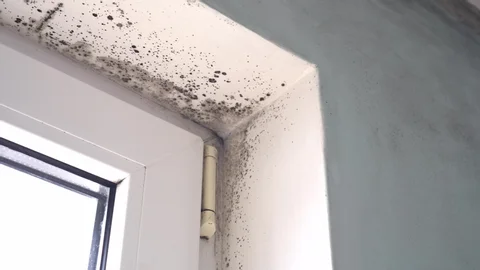
When mould colonies a property, it roots itself into porous materials like drywall, wood, insulation, and carpeting. If not addressed immediately, it spreads rapidly through HVAC systems and air currents, creating a toxic environment. Professional remediation services use containment barriers and negative air pressure to stop spores from spreading during removal—something DIY methods often fail to do, leading to cross-contamination of clean rooms.
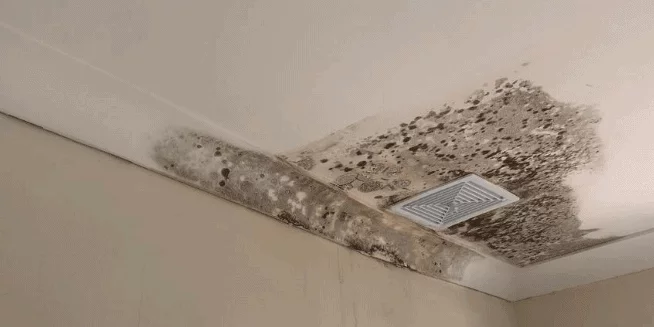
In some cases, the source of mould is not a direct leak but rather a “building envelope” failure. For example, if a building is too airtight without proper air exchange, moisture from breathing and cooking accumulates, leading to hidden mould growth behind furniture and inside wardrobes.
What Causes Mould Growth?
Mould requires moisture, warmth, and a food source to survive, and it can begin growing within 24 to 48 hours of water exposure. Residential and commercial properties are exposed to mould risks from plumbing failures, weather conditions, and poor ventilation.
Common causes of mould damage include:
Persistent plumbing leaks (pipes, sinks, toilets)
Roof leaks and damaged flashing
High indoor humidity (above 60%)
Poor ventilation in bathrooms and kitchens
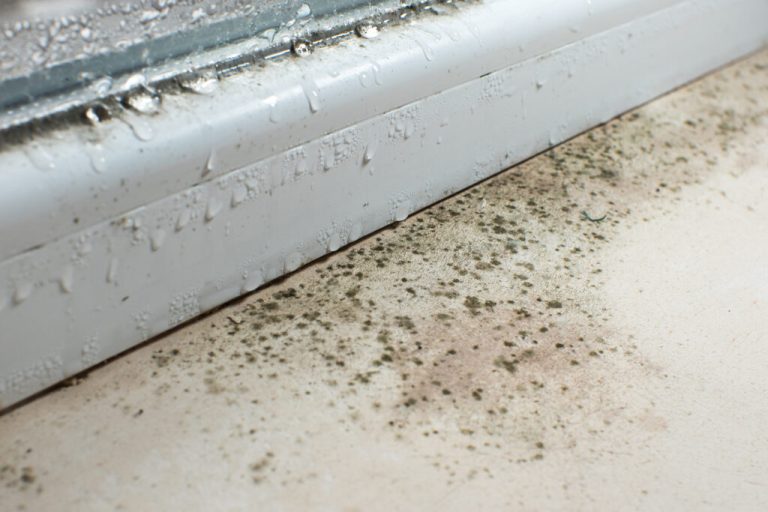
Condensation on cold surfaces (windows, pipes)
Flooding or sewage backups
Damp crawl spaces or basements
Wet clothes or upholstery left undried
Mould damage also compromises the structural integrity of your home or business. Mould feeds on organic materials (cellulose), effectively “eating” the paper on drywall and rotting wooden support beams. Trained remediation professionals follow industry-approved protocols (like the IICRC S520) to physically remove the mould structure rather than just bleaching it, which often leaves the roots intact to regrow.
Mould damage presents itself in many forms, including discoloured patches on walls, musty “earthy” odours, peeling paint, and warping wood. Common household issues such as bathroom condensation, attic leaks, wet crawl spaces, and untreated flood damage contribute significantly to mould proliferation.
Categories of Mould Damage
Not all mould is the same. Understanding the different levels of mould contamination is essential for determining the safety protocols required for remediation. Mould is generally categorised by the health risk it poses.
Allergenic Mould
Allergenic moulds (like Alternaria or Cladosporium) are the most common. They are unlikely to cause life-threatening illness but are highly problematic for people with asthma or mould allergies. Exposure often leads to sneezing, red eyes, and skin rashes. While less dangerous, they still require professional removal to improve indoor air quality.
Pathogenic Mould
Pathogenic moulds are capable of causing infections in humans, particularly those with compromised immune systems, the elderly, or infants. This category includes species that can grow in the lungs or on the skin. Remediation of pathogenic mould requires strict PPE (Personal Protective Equipment) and careful containment to protect the occupants.
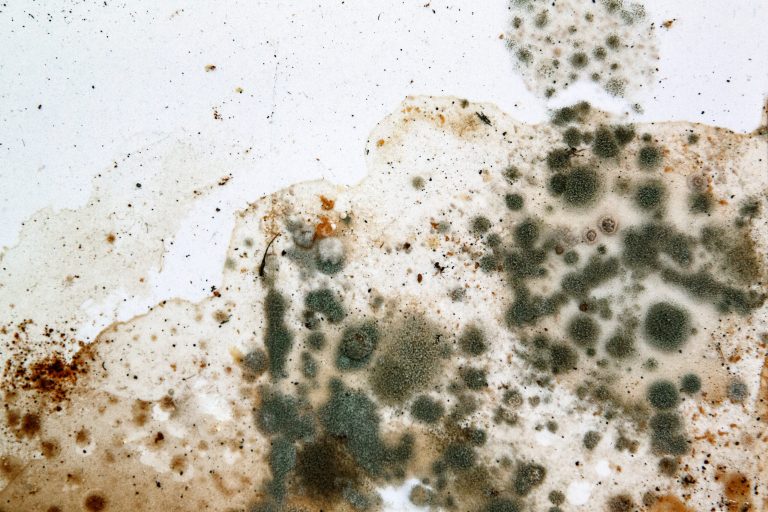
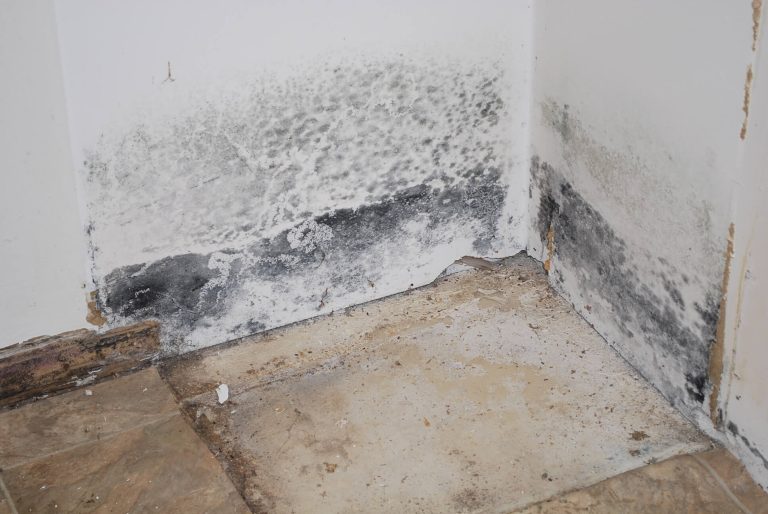
Toxigenic Mould (Toxic Black Mould)
Toxigenic moulds (such as Stachybotrys chartarum, often called “Black Mould”) produce mycotoxins—toxic chemical byproducts that can be absorbed through the skin, inhaled, or ingested. These are hazardous and can cause serious neurological and respiratory issues. Immediate, professional intervention with full containment is critical to safely remove these materials without releasing deadly toxins into the air.
What's Air Quility Testing?
Indoor air quality plays a critical role in the health and comfort of your home or workplace. Poor air quality can contain invisible pollutants such as mold spores, bacteria, allergens, dust, and harmful particles that may cause respiratory issues, allergies, headaches, and other health concerns.
Canadian Rapid Restoration Relief provides professional air quality testing to identify hidden contaminants and ensure your indoor environment is safe. Using advanced testing equipment and laboratory-grade analysis, our specialists assess air conditions accurately and efficiently.
Our air quality testing services help detect:
Mold spores and microbial growth
Allergens and airborne irritants
Bacteria and contaminants
Poor ventilation or moisture-related issues
Air quality testing is especially important after water damage, flooding, fire damage, or when occupants experience unexplained health symptoms. It is also highly recommended for new home purchases, renovations, and commercial properties to prevent long-term indoor air issues.
What's Mould Inspection?
Mould growth can occur quickly in environments where moisture is present, often remaining hidden behind walls, under flooring, or within ventilation systems. Once mould develops, it releases airborne spores that can affect indoor air quality and pose serious health risks if left untreated.
Canadian Rapid Restoration Relief offers comprehensive mould inspection services to identify visible and hidden mould contamination. Our trained specialists use advanced detection tools to assess moisture levels, air quality, and potential mould growth throughout your property.
Our mould inspection process includes:
-
Visual inspection of affected and high-risk areas
-
Moisture and humidity level assessment
-
Air and surface sampling (when required)
-
Identification of mould sources and spread
-
Detailed inspection reports with expert recommendations
Mould inspections are strongly recommended if you have experienced water damage, flooding, leaks, or persistent humidity. They are also essential when buying or selling a property, planning renovations, or experiencing unexplained health symptoms that may be linked to mould exposure.
What's Mould Remediation?
Mould growth is more than a cosmetic issue—it can damage your property, affect indoor air quality, and pose serious health risks if not properly addressed. Mould spreads quickly in damp environments and must be removed safely and thoroughly to prevent recurrence.
Canadian Rapid Restoration Relief provides certified mould remediation services designed to eliminate mould at its source and restore a safe, healthy environment. Our experienced technicians follow industry-approved protocols to ensure complete and permanent mould removal.
Our mould remediation process includes:
Identifying and eliminating the source of moisture
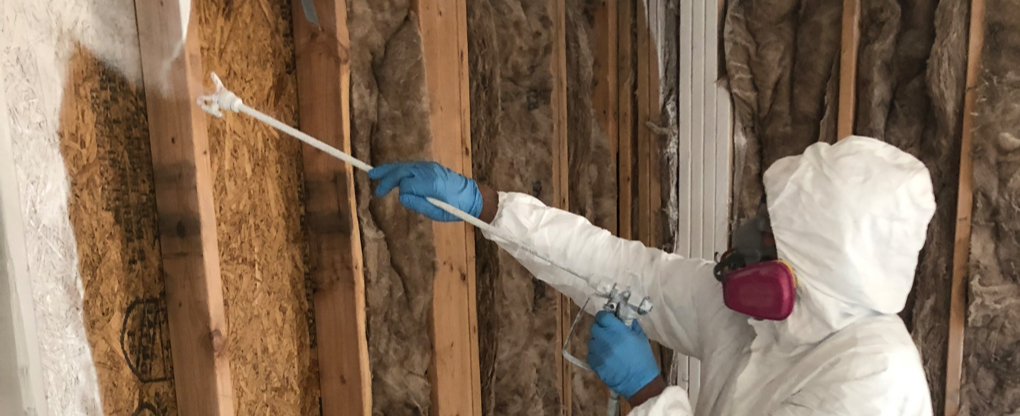
Isolating contaminated areas with proper containment
Establishing negative air pressure to prevent cross-contamination
Safely removing mould-affected materials
Cleaning and disinfecting all impacted surfaces
Drying and dehumidifying affected areas
Final inspection and post-remediation evaluation
Mould remediation is essential after water damage, flooding, leaks, or prolonged humidity. Attempting to clean mould without professional equipment can spread spores and worsen the problem. Our team uses advanced tools and protective measures to ensure mould is removed safely and effectively.
Prevent Health Hazards & Sick Building Syndrome
Mould infestations create a bio-hazardous environment. Spores are easily inhaled and can trigger a wide range of health issues, often described as “Sick Building Syndrome,” where occupants feel ill inside the property but better when they leave.
Health risks include:
Chronic coughing, wheezing, and sinus congestion
Asthma attacks and allergic reactions
Fatigue and headaches
Eye, nose, and throat irritation
Fungal infections in lungs (Aspergillosis)
Professional mould remediation goes beyond wiping down walls. Specialists use HEPA (High-Efficiency Particulate Air) vacuums and air scrubbers to capture microscopic spores from the air. Affected areas are treated with antimicrobial agents to prevent regrowth. By acting quickly and using certified techniques, remediation services protect the respiratory health of everyone inside the property.
Protect Structural Integrity
Mould is nature’s recycler; its job is to break down dead organic matter. Unfortunately, in your home, that organic matter is your structural wood, floorboards, and drywall.
Over time, mould can cause dry rot in wood framing and destroy the integrity of drywall panels, making them soft and crumbly. If left untreated, the damage can become severe enough to require major reconstruction of walls and ceilings. Professional remediation stops this biodegradation process. By removing the active growth and addressing the moisture source, professionals preserve the remaining structure and prevent the need for expensive structural repairs.
Reduce Financial Loss and Repair Costs
Mould damage is progressive. A small patch in the corner of a ceiling can spread to the entire room and into the HVAC system if ignored. The cost of remediation increases significantly as the contamination area expands (known as the “Condition” level of the environment).
Professional mould remediation focuses on containment. By sealing off the affected area immediately, professionals prevent spores from contaminating clean rooms, carpets, and furniture. This drastically reduces the scope of work and the cost of replacing soft goods like sofas and curtains which are difficult to clean once infested.
We Support Insurance Claims For a Fast Recovery
Mould coverage in insurance policies can be tricky. It is often covered only if it results from a specific, covered peril (like a burst pipe) rather than long-term neglect. Professional remediation companies provide the detailed documentation required to prove the cause and extent of the damage.
They provide moisture readings, spore count tests (if needed), and photos of the source of water intrusion. This evidence is crucial for getting insurance approval. By providing a clear, professional report, remediation experts help validate your claim and ensure you receive the coverage you are entitled to, speeding up the restoration of your property.
Stop Mould Before It Spreads
Reach out today for immediate response and expert abatement services. We specialize in thorough mould abatement, removal, cleaning, deodorization, and structural repairs to eliminate mould hazards and renew your property. Restore safety and comfort fast with our proven process.