
Content Processing & Storage (CPT)
What Is Content Processing & Storage?
When a disaster strikes, the damage isn’t limited to walls and floors—your personal belongings (contents) are often the casualties. Content Processing & Storage is the specialized service of rescuing, cleaning, and safeguarding these items. While structural restoration fixes the house, contents processing saves the “home”—the photos, heirlooms, clothes, and essential documents that make a space yours.
Unlike structural repairs, contents require a delicate, item-specific approach. A smoke-damaged painting needs different treatment than a water-logged laptop or a soot-covered sofa. Standard cleaning often fails because it pushes contaminants deeper into fabrics or causes electronics to short-circuit.
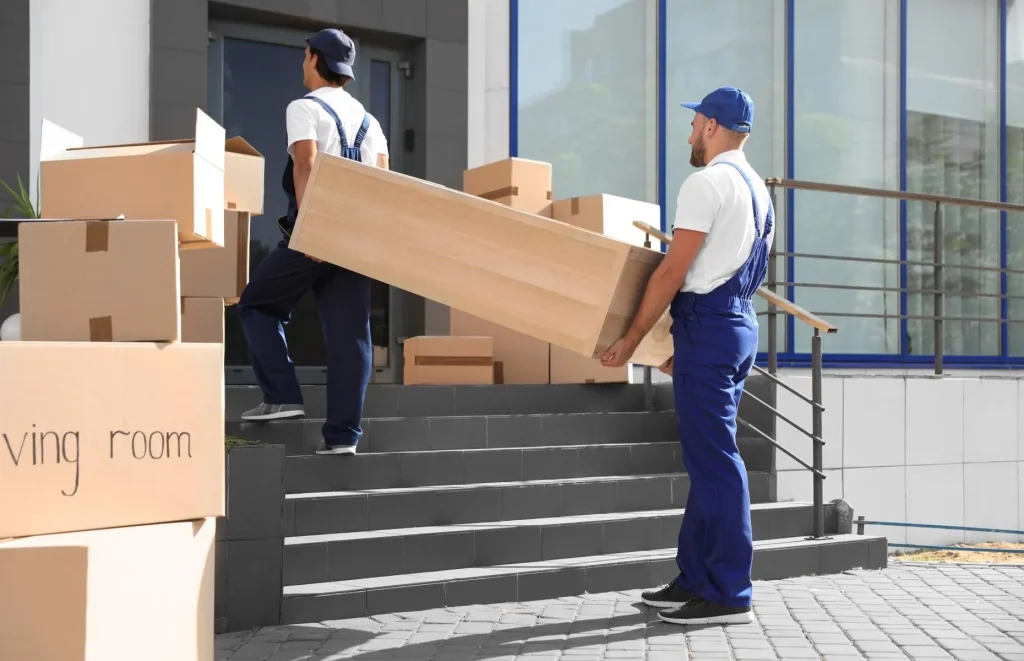

Professional Content Processing Technicians (CPT) use a strategic “Pack-Out” process. This involves inventorying, packing, and transporting damaged items to a secure facility. There, they undergo specialized cleaning (like ultrasonic cleaning or ozone treatment) to remove contaminants and odors before being stored in climate-controlled vaults until the property is ready for their return.
When Is a Pack-Out Needed?
Not every restoration job requires moving contents, but in severe cases, it is the only way to protect your belongings.
Common reasons for a Pack-Out include:
Structural Safety: If the ceiling is at risk of collapsing or flooring needs total replacement, furniture must be removed to allow contractors to work safely.
Cross-Contamination: Keeping clean clothes in a mould-infested house will eventually contaminate the clothes. Removing them stops the spread of spores.
Security: If a fire destroys doors or windows, the property is unsecured. Moving valuables to a warehouse prevents theft/looting.
Proper Drying: It is impossible to dry a carpet or hardwood floor effectively if heavy furniture is sitting on top of it, trapping moisture.
The Science of Cleaning Contents
Restoring contents is often far cheaper than replacing them, but it requires advanced technology. Professionals categorise items into “Hard Contents” and “Soft Contents” to determine the cleaning method.
Hard Contents (China, Crystal, Collectibles)
Technicians often use Ultrasonic Cleaning technology. This uses sound waves in a water-based solution to create microscopic bubbles that implode (cavitation), gently blasting away soot, dirt, and mould from the tiniest cracks in jewellery, figurines, and electronics without scrubbing or scratching.

Soft Contents (Clothing, Linens, Stuffed Toys)
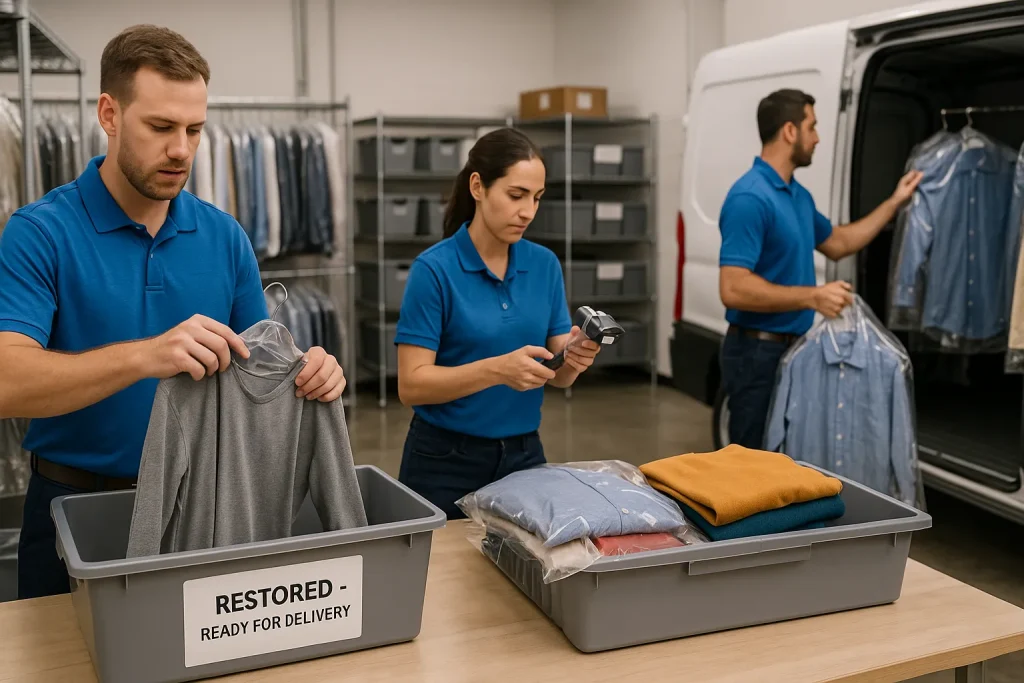
Industrial washing systems (like the Esporta Wash System) use hydraulic action and special detergents to remove heavy soot, sewage, and mould from fabrics that a standard dry cleaner would reject. This can salvage leather goods, shoes, and even heavy firefighter gear.
The Digital Inventory System
One of the biggest stressors in a disaster is losing track of what you own. Professional movers don’t just throw things in boxes; they use a rigorous Digital Inventory System.
How it works:
Photo Documentation: Every single item is photographed before it is touched to document its pre-existing condition.
Barcoding: Items are boxed, and the box is tagged with a unique barcode or QR code.
Tracking: You know exactly where your items are—whether they are in the cleaning room, the drying room, or the storage vault.
Chain of Custody: This ensures that sentimental items are not lost or misplaced during the chaotic restoration process.
We Support Insurance Claims For a Fast Recovery
Once items are cleaned, they cannot simply be put back in a garage. They are stored in secure, Climate-Controlled Warehouses.
This is critical because temperature and humidity fluctuations can cause secondary damage. Wood furniture can crack in dry heat, and restored fabrics can grow mould in humid cold. Professional storage facilities maintain stable environmental conditions to preserve your belongings for months, if necessary, while your home is being rebuilt.
Professional Restoration Supports Your Claim
Insurance companies prefer restoration over replacement because it is cost-effective.
Cost Savings: Professional Content Processing & Storage (CPT) allows you to restore and protect valuable personal or business items after water, fire, or storm damage. For example, a damaged set of electronics or furniture might cost $500 to properly clean, restore, and store, whereas replacing it could cost $3,000. These savings help maximize your insurance policy, leaving more funds available for structural repairs and other essential restoration work.
Sentimental Value: No insurance check can replace a wedding album, a grandfather’s clock, or a child’s favourite toy. Content processing focuses on saving these “irreplaceable” items, providing immense emotional relief to families recovering from a disaster.
By trusting this process, you ensure that when you finally walk back into your restored home, your cherished belongings are there to welcome you back—clean, safe, and odour-free.
Secure Content Processing & Climate-Controlled Storage You Can Trust
From inventory and detailed documentation to professional cleaning, packing, and secure storage, our CPT services protect and preserve your belongings with precision and care.