Asbestos / Vermiculite Remediation (AMRT) Toronto
What Is Asbestos Remediation?
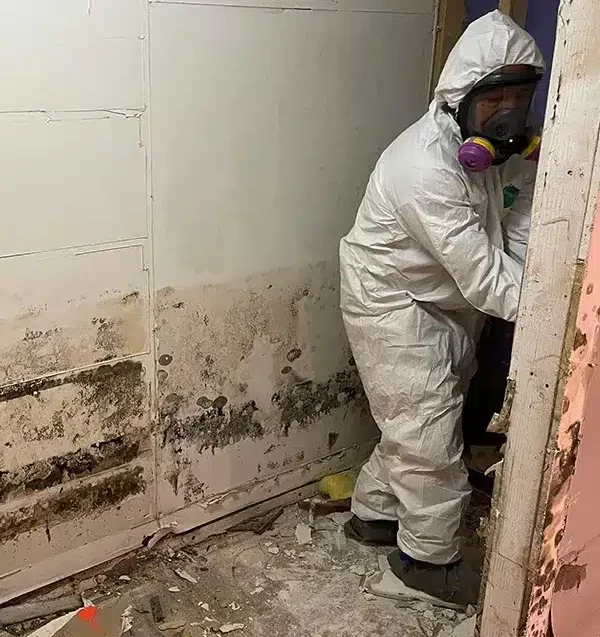
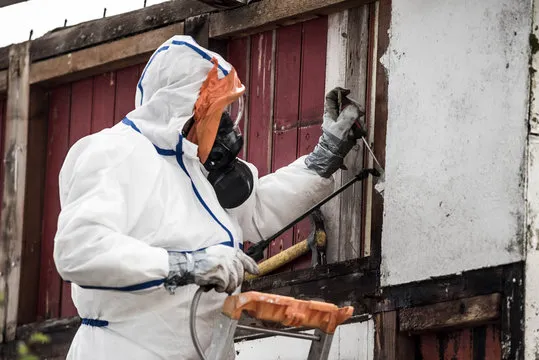
Asbestos was once hailed as a “miracle mineral” for its fire resistance and durability, commonly used in construction from the 1950s to the late 1990s. However, we now know that when these materials are damaged or disturbed, they release microscopic fibres that are deadly if inhaled. Asbestos Remediation (Abatement) is the highly regulated process of safely removing or encapsulating these materials to prevent exposure.
Unlike water or mould damage, asbestos is often not a problem until it is disturbed—during renovations, drilling, or after accidental damage like a ceiling collapse. Once the fibres become airborne, standard cleaning methods (like sweeping or normal vacuuming) are dangerous as they simply re-suspend the particles in the air.
Where Is Asbestos Found?
Asbestos doesn’t “grow” like mould; it was built into the property. It is often hidden in plain sight, looking exactly like standard building materials. A professional survey is the only way to confirm its presence.
Common locations include:
Insulation: Loose-fill attic insulation (vermiculite), pipe lagging, and boiler insulation.
Flooring: Vinyl floor tiles (9×9 tiles), linoleum backing, and mastic adhesives (glue).
Walls & Ceilings: “Popcorn” or textured ceilings (Artex), cement sheets, and drywall joint compound.
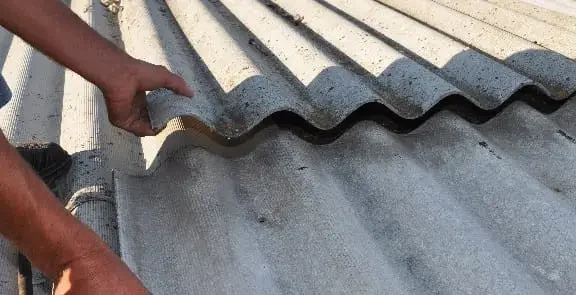
Exterior: Roof shingles, corrugated cement roofing, siding, and gutters.
Fireproofing: Fire doors, heater flues, and artificial fireplace logs/ash.
Categories of Asbestos Materials
In the remediation industry, the severity of the risk depends on the condition of the material and how easily it releases fibres. Asbestos materials are generally classified into two primary categories:
Friable Asbestos
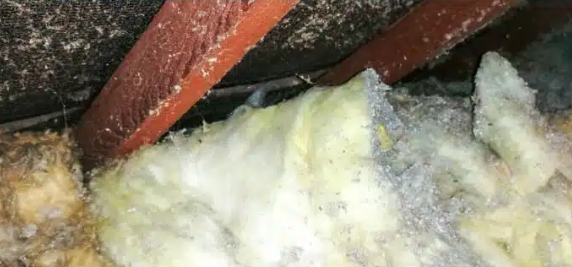
This is the most dangerous category. “Friable” means the material can be crumbled, pulverized, or reduced to powder by hand pressure when dry. Examples include pipe lagging, spray-on fireproofing, and old loose-fill insulation. Because these materials release fibres with very little disturbance, they require the highest level of containment, full-face respiratory protection, and aggressive air monitoring during removal
Non-Friable (Bonded) Asbestos
These materials contain asbestos fibres that are firmly bound into a matrix, such as cement, vinyl, or resin. Examples include vinyl floor tiles and corrugated cement roofing sheets. While less risky when intact, they become highly hazardous if they are drilled, sanded, cut, or broken during demolition. If non-friable materials are damaged (e.g., by a flood or fire), they can become friable and require immediate, high-level intervention.
Prevent Severe Health Hazards
Asbestos exposure is uniquely dangerous because the damage is often not felt for decades. The microscopic fibres are sharp and barbed; once inhaled, they lodge permanently in the lung tissue. The body cannot expel or break them down.
Health risks include:
Asbestosis: A chronic lung disease caused by scarring of lung tissue, leading to shortness of breath and permanent lung damage.
Mesothelioma: An aggressive and fatal form of cancer affecting the lining of the lungs, chest, or abdomen, almost exclusively caused by asbestos exposure.
Lung Cancer: Prolonged exposure significantly increases the risk of lung cancer, especially in smokers.
Pleural Thickening: Thickening and swelling of the lining of the lungs, causing pain and breathing difficulties.
Professional remediation protects occupants by ensuring that zero fibres remain. Specialists perform “clearance testing” after the work is done—analysing air samples to certify the property is safe before anyone is allowed to enter without protective gear.
Reduce Financial Loss and Legal Liability
Failing to handle asbestos correctly can lead to devastating financial consequences. In many regions, huge fines apply to improper disposal of asbestos waste. Furthermore, if contractors or tenants are exposed due to negligence, property owners can face severe legal action.
Reduce Financial Loss and Repair Costs
Lead contamination can pose serious health risks and lead to significant financial consequences if not addressed promptly. Delayed action can increase cleanup costs, cause property damage, and create compliance or legal issues—especially in older homes and commercial buildings.
Canadian Rapid Restoration Relief provides professional lead removal services designed to eliminate hazards efficiently while minimizing repair costs. By identifying lead-based materials early and using approved removal and containment methods, we help prevent contamination from spreading and reduce the need for extensive repairs.
Our lead removal approach helps:
Prevent costly structural damage during renovations
Reduce long-term health-related liabilities
Minimize material replacement and restoration expenses
Ensure compliance with safety regulations
Protect property value and investment
Professional remediation reduces financial risk
Preventing Cross-Contamination: A DIY mistake can spread fibres into HVAC systems and carpets, requiring the disposal of all soft furnishings in the house. Pros prevent this spread.
Ensuring Legal Disposal: Asbestos waste must be disposed of at specific hazardous waste landfills. Professionals handle the complex chain-of-custody documentation required by law.
Supporting Insurance Claims: If the asbestos disturbance is due to a covered event (like a burst pipe bringing down an asbestos ceiling), insurance may cover the remediation. Professional documentation and air quality reports are mandatory for these claims to be processed.
Suffered asbestos exposure?
Reach out today for immediate response and expert abatement services. We specialize in thorough asbestos abatement, removal, cleaning, encapsulation, and structural repairs to eliminate asbestos hazards and renew your property. Restore safety and comfort fast with our proven process.
Questions?
How do I know if my home has asbestos?
Age is the first indicator — anything built or renovated between the 1950s and the late 1990s is a candidate. It looks identical to ordinary building material, so sampling and lab analysis is the only way to confirm it. Common locations are vermiculite attic insulation, 9×9 floor tiles and their mastic, pipe lagging, textured ceilings, drywall joint compound and cement board.
Is asbestos dangerous if I leave it alone?
Intact, undisturbed, non-friable asbestos is generally not an active hazard. The risk begins when it’s drilled, cut, broken, water-damaged or disturbed in a renovation and fibres go airborne.
What's the difference between friable and non-friable asbestos?
Friable material crumbles under hand pressure and releases fibres readily — vermiculite, sprayed insulation, pipe lagging. Non-friable is bound into a hard matrix like floor tile or cement sheet, and is lower risk until it’s cut or broken. The classification drives the removal procedure and the cost.
Do I legally have to remove it before renovating?
In Ontario, an employer or contractor must determine whether asbestos is present before work that could disturb it, and the removal has to follow O. Reg. 278/05 including notification to the Ministry of Labour for Type 3 work. Doing it informally creates liability that outlasts the renovation.
Is vermiculite insulation always asbestos?
No, but a significant share of the loose-fill vermiculite in Canadian attics came from a mine with natural asbestos contamination, so it’s treated as asbestos-containing until testing proves otherwise. Don’t go up there and don’t disturb it.
How long does abatement take?
A contained Type 1 or 2 removal is often a day or two. Type 3 work with full enclosure, negative air and clearance air testing runs longer and depends on the area involved. We’ll give you a scope and a timeline after the survey.
Does home insurance cover asbestos removal?
Generally not on its own — it’s treated as a pre-existing condition. Coverage is more likely where asbestos is disturbed as part of a covered loss, such as a ceiling collapse after water damage.