Fire and Smoke Damage restoration Across GTA/Toronto
What Is Fire & Smoke Restoration?
Fire and smoke damage can strike suddenly—from kitchen accidents and electrical faults to appliance malfunctions or natural wildfires. While the flames themselves cause immediate destruction, the secondary damage caused by smoke, soot, and extinguishing water can be just as devastating. This is why professional Fire & Smoke Restoration is essential, not optional. When a fire occurs, smoke and soot particles rapidly infiltrate walls, carpets, upholstery, and ventilation systems. If not addressed immediately, these acidic residues begin to corrode surfaces, etch glass, and permanently discolor materials.
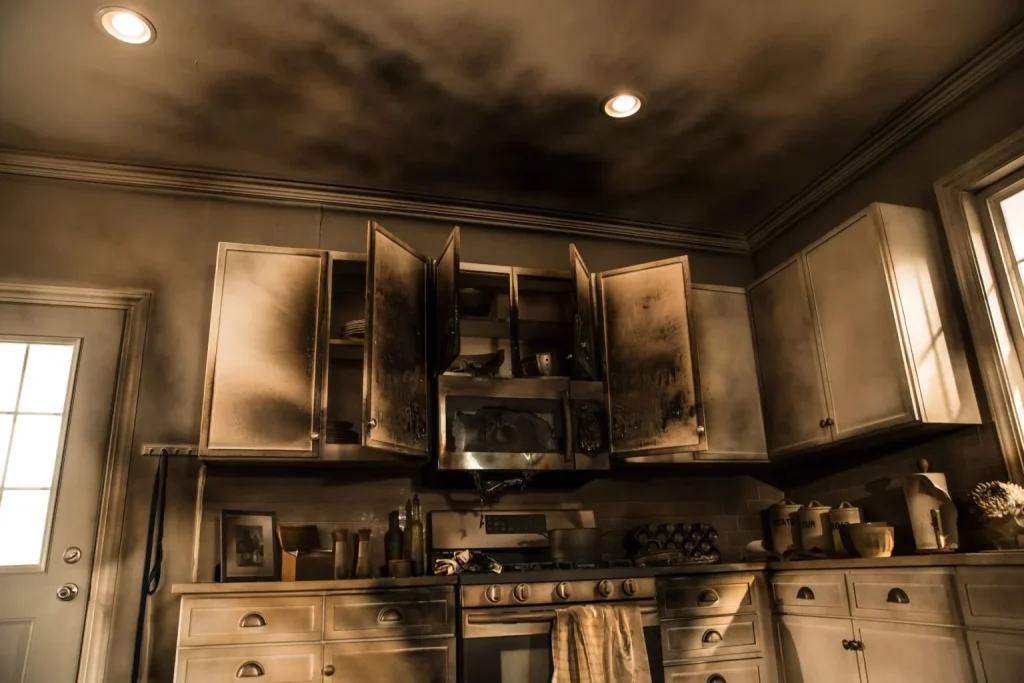
Furthermore, the water used to extinguish the flames can introduce mold and structural weakness. Professional restoration services use advanced techniques to neutralize odors, remove toxic residues, and stabilize the property—something DIY cleaning often worsens by smearing soot or inhaling toxins.
What Causes Fire Damage?
Fire damage can originate from many different sources, and even a small, contained fire can result in widespread smoke coverage throughout a property. Residential and commercial properties are exposed to fire risks from everyday activities, heating systems, and external factors.
Common causes of fire damage include:
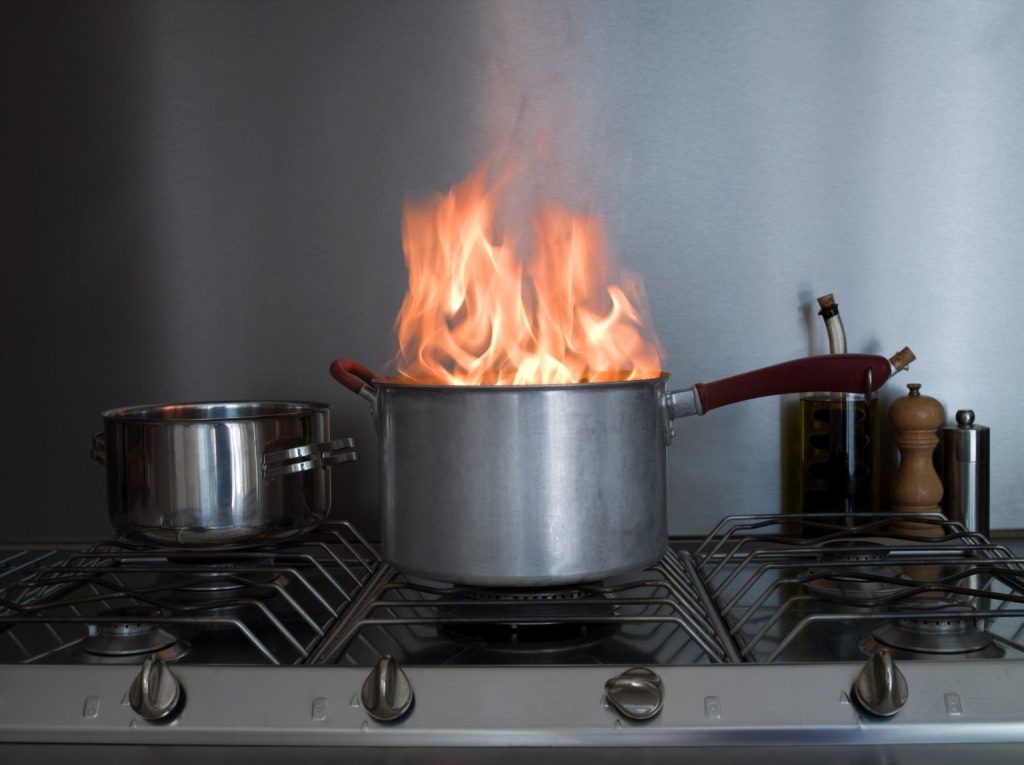
Cooking accidents (grease fires, unattended stoves)
Faulty electrical wiring or overloaded circuits
Malfunctioning appliances (dryers, space heaters)
Candles and cigarettes left unattended
Chimney and fireplace buildup (creosote)
Lightning strikes and natural disasters
Furnace or boiler malfunctions
Arson or vandalism
In some cases, the damage is not purely from flames. For example, “puff-backs” from an oil furnace can coat a home in a fine, oily web of soot without an actual fire occurring. Over time, this hidden residue penetrates HVAC ducts and behind walls, creating persistent odors and health risks.
Categories of Smoke & Soot Damage
Fire damage varies in severity depending on the fuel source, the temperature of the fire, and the oxygen levels. Understanding the different types of smoke and soot is essential for choosing the correct cleaning method, as improper cleaning can permanently set stains. Below are the primary categories every property owner should understand.
Dry Smoke Residue
Dry smoke results from fast-burning, high-heat fires fueled by paper or wood. The residue is typically powdery, dry, and easier to clean than other types. However, because the smoke particles are fine and non-sticky, they can fall into deep cracks and porous surfaces, requiring specialized vacuuming and sponge cleaning to remove completely without smearing.
Wet Smoke Residue
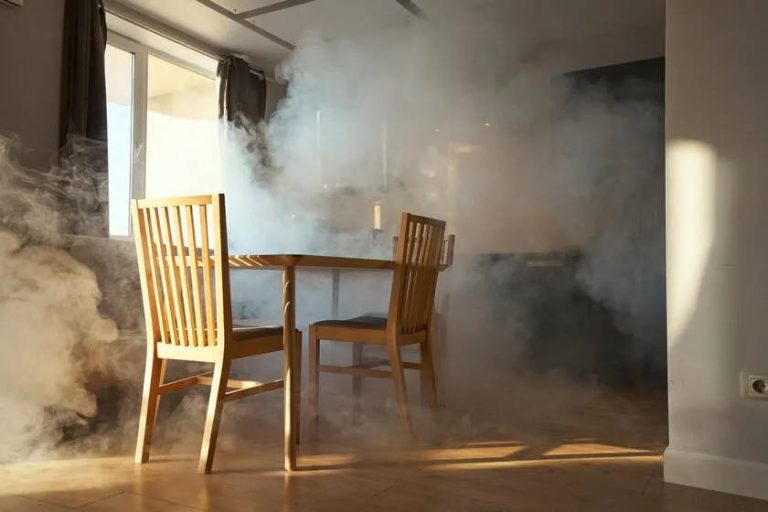
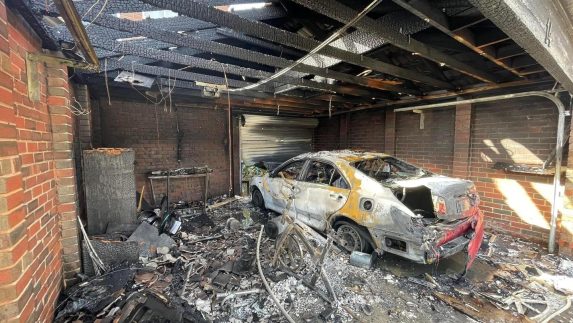
Wet smoke comes from low-heat, smoldering fires fueled by rubber, plastic, or synthetic materials. This creates a thick, sticky, and pungent black residue. It is highly smearable and difficult to clean. Wet smoke carries a strong, noxious odor and requires aggressive cleaning agents and professional equipment to remove from surfaces without causing further damage.
Protein Residue
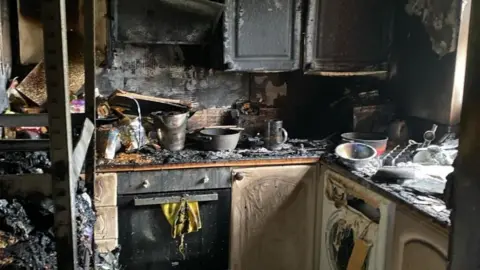
Common in kitchen fires, protein residue is often invisible to the naked eye but leaves a discoloration on paints and varnishes. It is characterized by an extremely pungent, foul odor that permeates the entire structure. Specialized chemical cleaning is required to remove this microscopic film from walls, ceilings, and contents.
Protect Structural Integrity
The aftermath of a fire creates a corrosive environment that continues to destroy the building long after the flames are gone. Acidic soot residues settle on metals, glass, and stone, causing pitting, rusting, and etching within days—or even hours.
Professional restoration stabilizes the property by immediately cleaning these at-risk surfaces to stop the chemical reaction. Technicians also assess heat damage to framing and support structures. Early intervention helps preserve the original construction, reducing the need for gutting the property and extending the lifespan of fixtures and appliances.
Prevent Health Hazards & Toxic Exposure
Fire damage creates a high-risk environment for respiratory issues. Smoke contains carbon monoxide, dioxide, and traces of heavy metals, while soot consists of tiny carbon particles that can lodge deep in the lungs. Even after the fire is out, these toxins settle on surfaces and circulate in the air.
Health risks include:
Respiratory difficulty and shortness of breath
Aggravation of asthma and bronchitis
Eye and skin irritation
Long-term exposure to carcinogens found in burnt synthetic materials
Professional fire and smoke restoration goes beyond surface cleaning. Specialists use HEPA air scrubbers, thermal fogging, and ozone treatments to neutralize airborne toxins and eliminate odors at the molecular level. Affected areas are thoroughly sanitized to remove hazardous chemicals, ensuring the indoor air quality is safe for occupants, especially children and the elderly.
Reduce Financial Loss and Repair Costs
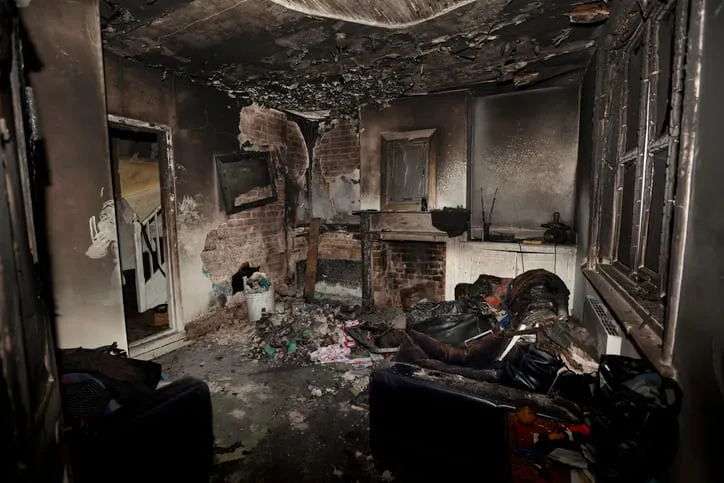
Fire damage worsens rapidly when left untreated. The acidic nature of soot causes “secondary damage.” Within minutes, plastics discolor; within hours, metals tarnish; within days, walls yellow and synthetic fibers disintegrate.
Professional fire restoration focuses on immediate mitigation. Rapid board-up services secure the property from weather and theft, while immediate soot removal prevents permanent staining of tile, grout, and fixtures. By addressing the problem early, restoration services save property owners thousands in replacement costs for items that could have been cleaned and restored (like electronics and furniture).
We Support Insurance Claims For a Fast Recovery
Dealing with insurance claims after a fire can be traumatic and complex. Professional restoration companies provide detailed inventory services (pack-outs), damage assessments, and restoration reports that meet insurance requirements. This proper documentation helps ensure accurate claim processing for both the structure and your personal belongings.
Restoration specialists work according to industry standards, which insurance providers expect for claim validation. This reduces the risk of claim denial or underpayment. By coordinating restoration and documentation efficiently, professionals help speed up the recovery process, allowing homeowners and businesses to return to normal operations quickly.
Suffered fire or smoke damage?
Reach out today for immediate response and expert restoration services. We specialize in thorough fire and smoke cleaning, deodorization, and structural repairs to eliminate fire and smoke hazards and renew your property. Restore safety and comfort fast with our proven process.
Explore the projects we’ve proudly completed.
Frequently asked questions
Why can't I just clean the soot myself?
Soot is acidic and oily. Wiping it dry grinds it into the surface and sets the stain permanently; wiping it wet smears it. Dry, wet and protein residues each need a different method, and getting it wrong usually means replacing material that could have been cleaned.
How soon does soot cause permanent damage?
Fast. Within hours it discolours plastics and begins corroding metal; within days it etches glass, chrome and porcelain. Delaying a week measurably increases what has to be replaced instead of restored.
My fire was small — why does the whole house smell?
Smoke follows air currents and pressure differentials, so it travels through HVAC, wall cavities and door gaps into rooms that never saw flame. A contained kitchen fire routinely leaves residue on the second floor.
Can smoke odour be removed permanently, or does it always come back?
Permanently, provided the source material is dealt with first. Odour returns when someone seals or masks a residue that was never removed. We remove the source, clean the HVAC, then treat the remaining airborne odour with hydroxyl or thermal fog.
What about everything that got soaked by the fire department?
That’s a water loss layered on top of a fire loss, and it needs to be dried on the same timeline as any flood. It’s one of the reasons fire jobs go wrong when the restoration company only handles one of the two.
Can my belongings be saved?
Many of them. Soft contents, documents, electronics and hard goods each have their own cleaning process, and we inventory everything before it leaves the property. See contents processing and storage.